
The Western Cape is still recovering from the two successive storms that battered the province in May.
The severe rain and treacherous winds caused trees to topple onto cars, claimed lives and triggered widespread electricity outages. But perhaps the most predictable consequence was flooding.
Flooding is a phenomenon that can occur with even moderate rainfall, with poor and underserved communities often bearing the brunt of its impact.
A community organisation known as Abahlobo Ekuhlaleni, based in Langa, has reported severe flooding linked to blocked stormwater drains.
And the main culprit? Plastic. Everywhere.
This community’s relationship with plastic is cyclical.
According to SA History Online, Langa is South Africa’s oldest formal township, situated just 11 kilometres from Cape Town’s city centre.
For generations, residents have faced economic hardship, and this is where that cyclical relationship with plastic comes in.
Residents rely heavily on plastic because it is affordable and accessible. Single-use plastic bags, wrappers, bottles and containers are often cheaper than alternatives such as glass or reusable packaging, making them a practical choice for households under financial pressure.
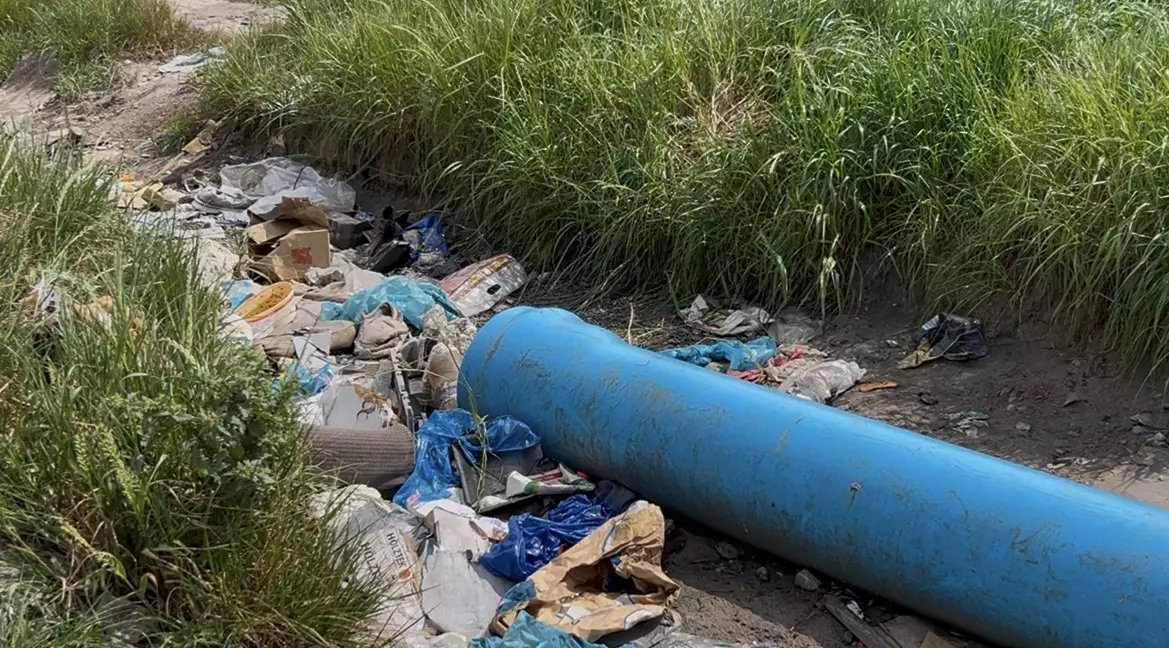
Parts of the Western Cape brave plastic pollution that is by flooding. Picture: Camray Clarke/EWN
But what is economically accessible at the point of purchase can become environmentally costly once it is discarded.
And according to Abahlobo Ekuhlaleni, this is where the problem begins to spiral.
The organisation said that plastic pollution cannot be blamed solely on individual behaviour. It points to a combination of inadequate waste-management infrastructure and service-delivery challenges, particularly in a densely populated community where the demand for waste collection can place pressure on existing facilities.
When waste collection points become overwhelmed or are not serviced frequently enough, residents can be left with few practical options for disposing of their rubbish.
The group added that overflowing waste collection points exacerbate informal dumping, with discarded plastic eventually making its way into streets, open spaces and stormwater drains.
This then begs the following questions:
How much of plastic pollution is individual behaviour?
How much is the result of systemic failures?
And where does responsibility ultimately lie?
For Abahlobo Ekuhlaleni, the May floods offered a glimpse into how these factors intersect.
The organisation noted that its clean-up and drain-maintenance work had already begun before the heavy rainfall hit. In areas where drains had been consistently cleared, it said there was relatively little flooding.
But the floodwaters brought another problem.
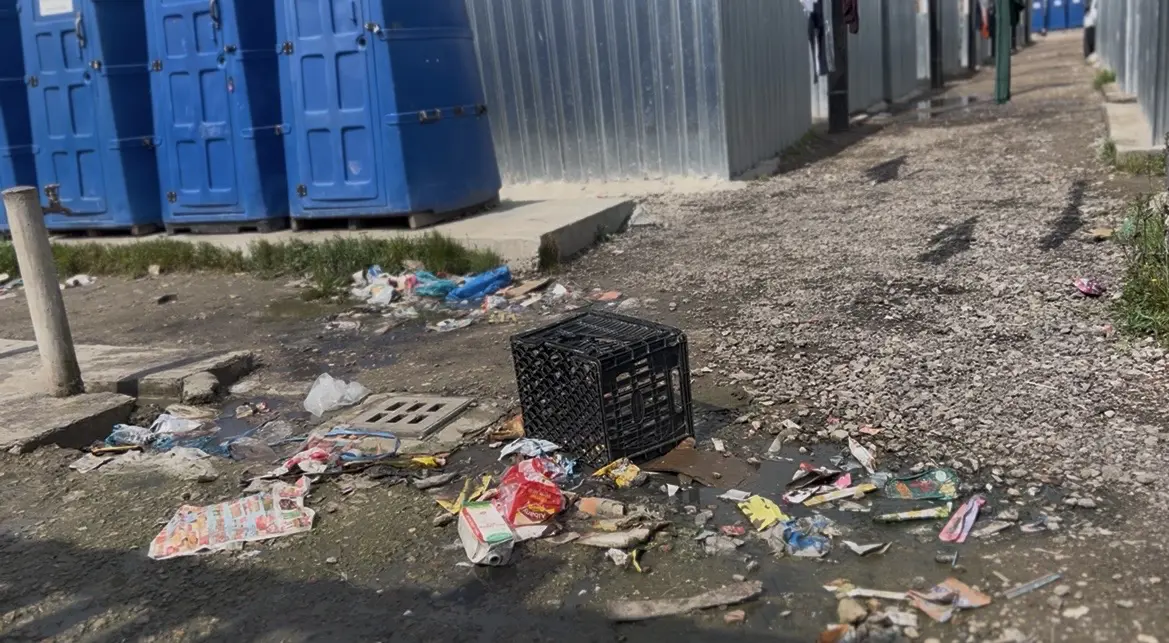
Parts of the Western Cape brave plastic pollution that is by flooding. Picture: Camray Clarke/EWN
Rather than simply washing waste away, the torrents of water acted as a high-speed conduit, carrying plastic and other discarded material from elsewhere into parts of the community.
The organisation said that plastic pollution was still evident after the storms, particularly in areas where waste had been carried by heavy rainfall. But the amount was less than expected, something it attributes to the clean-up work that had already begun in the community.
The floods, in other words, did not simply expose what was happening inside Langa. They showed how interconnected the problem is.
Plastic discarded in one place can become someone else’s problem downstream. A packet left on a street, an overflowing bin or a blocked drain can all become part of the same chain once heavy rainfall arrives.
And that makes the plastic pollution problem bigger than a question of individual responsibility.
It is also a question of infrastructure, waste management, affordability and how communities are equipped to deal with the waste they inevitably produce.
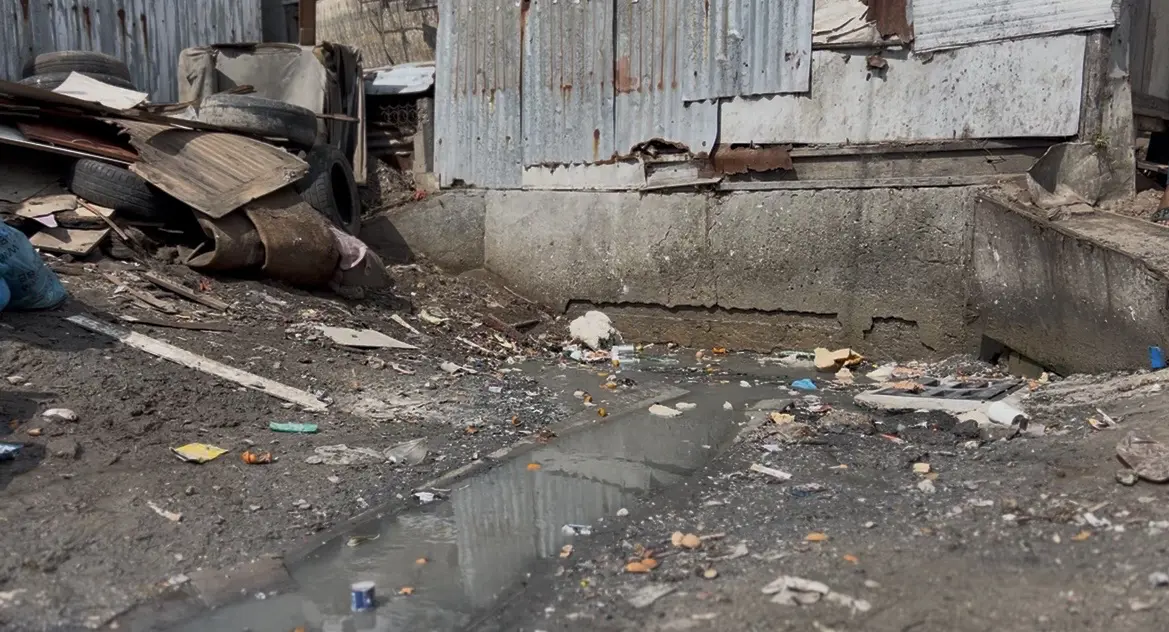
Parts of the Western Cape brave plastic pollution that is by flooding. Picture: Camray Clarke/EWN
CLEANING UP THE PROBLEM
But before the floodwaters arrived, Abahlobo Ekuhlaleni had already been working to tackle the problem at ground level.
Through a project supported by the Western Cape Economic Development Partnership (WCEDP) and the Department of Water and Sanitation, the organisation undertook clean-up operations and drain maintenance across the community.
The work went beyond simply collecting visible litter from streets. Teams also cleared stormwater drains, where plastic waste had accumulated and threatened to restrict the flow of rainwater.
The organisation said that the intervention was prompted by the severity of plastic pollution and illegal dumping in Langa, where blocked drainage systems had contributed to water stagnation around communal taps and living areas.
The clean-up also created temporary employment, with 30 local team members brought to lend a hand to the project.
But the organisation said physical clean-up was only one part of the intervention.
More than 200 residents were reached through door-to-door education, with the campaign focusing on sanitation, hygiene, waste management and the importance of keeping plastic and other rubbish out of the drainage system.
And the contents of the drains told their own story.
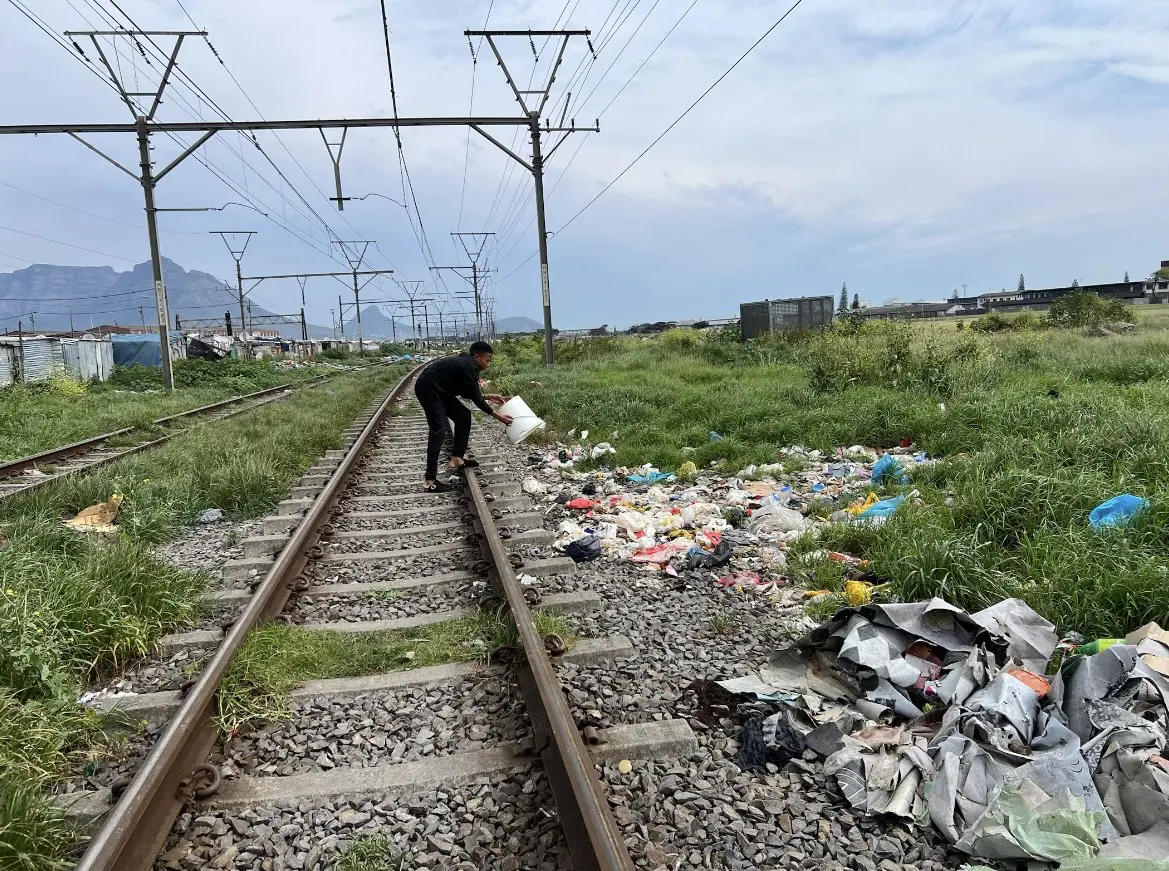
Parts of the Western Cape brave plastic pollution that is by flooding. Picture: Camray Clarke/EWN
Among the most common items removed were plastic carrier bags and packets, disposable nappies, plastic bottles, straws, snack wrappers and takeaway food containers.
These are everyday items: products used for minutes or hours, but capable of remaining in the environment for far longer.
The clean-up, therefore, became about more than making Langa look cleaner. It was an attempt to interrupt the journey of plastic from household consumption, to informal dumping, to stormwater drains, and ultimately into floodwaters.
Abahlobo Ekuhlaleni said that the intervention demonstrated that physical clean-ups, community education and economic opportunities need to work together if the problem is to be addressed sustainably.
But it also acknowledges that a short-term project cannot resolve years of accumulated waste, inadequate infrastructure and deeply entrenched disposal habits.
The challenge, it noted, is keeping the work going before the next storm arrives.
Site visit.
A visit to Langa offered an opportunity to see the problem first-hand.
As an eyewitness to the conditions on the ground, the scale of informal dumping is difficult to ignore.
Plastic is everywhere. Single-use packets and wrappers, alongside longer-lasting plastic bottles and containers, find their way into waterways, drainage channels and sewer systems.
In patches of overgrown green fields, discarded packaging lay scattered among the vegetation, while rubbish bags were piled on top of one another, forming heaps of waste.
It was a striking contrast: green spaces slowly being swallowed by discarded plastic, and waterways that should carry rainwater instead becoming hubs for rubbish.
The waste was no longer confined to designated dumping points. It had become part of the landscape.
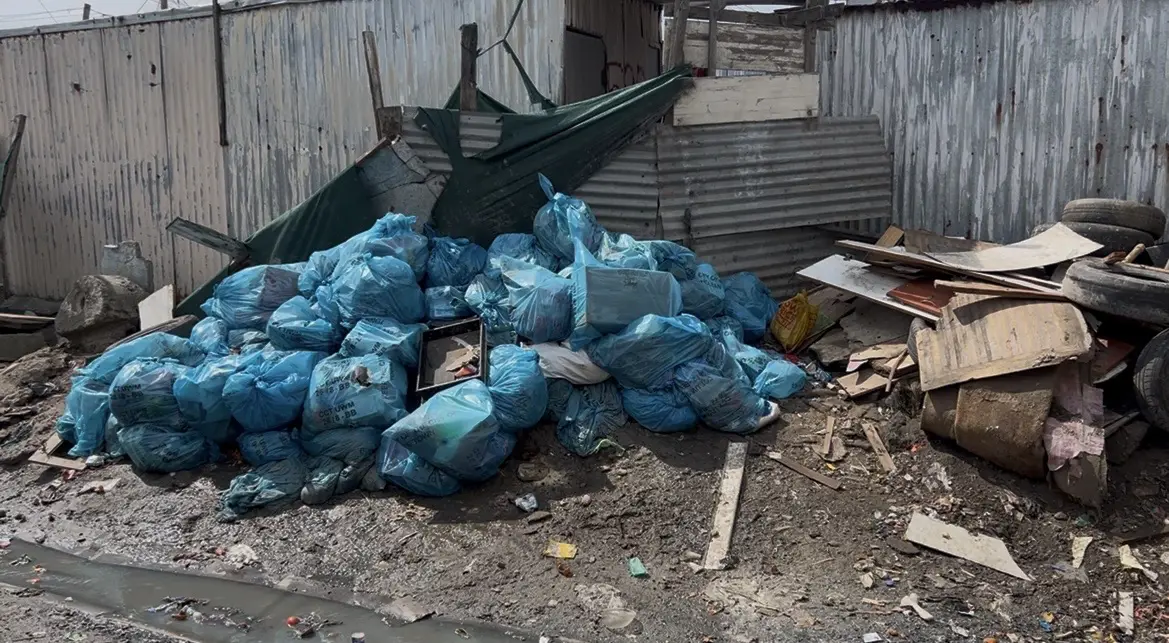
Parts of the Western Cape brave plastic pollution that is by flooding. Picture: Camray Clarke/EWN
In response to a media query about waste management in the area, the municipality said its Public Housing department had only two Expanded Public Works Programme (EPWP) staff members working in the area.
It said the staff, who begin work at 07:30, had been unable to get the bins out in time and added that it would contact its Urban Waste Management department to find a solution.
The problem, however, is not confined to communities such as Langa. Gregory Player, director of Clean C, said litter discarded on streets and in open spaces can be swept into stormwater drains during heavy rainfall, eventually making its way to beaches and the ocean.
Through its Cape Town Beach Cleanup initiative, the organisation regularly conducts beach clean-ups, where food packaging, plastic bottles, chip wrappers and smaller items such as earbuds and lollipop sticks are among the waste collected.
Player said tackling the problem requires everyone to take responsibility for how they dispose of their waste.
“If you see someone littering, go and chat to them, find out, hey guys, there’s a bin over there or take this home with you to recycle,” he says.
Protecting the coastline, in other words, starts with what happens on our streets.
For now, plastic in our environment continues to raise a bigger question than who is responsible for picking it up.
It asks what happens when the systems designed to manage waste, the communities producing it and the infrastructure designed to protect them from flooding are all under pressure at the same time.
Because when the next storm comes, the plastic on the ground will not stay there.
Never miss a major story. Get breaking news and the latest developments from South Africa and beyond as they happen.
Camray Clarke
www.ewn.co.za