
The Western Cape needs more volunteers to provide emergency care for vulnerable children after 624 children were removed from their homes or parents in the first quarter of the year, Premier Alan Winde said.
The province’s Safety Parent Programme places children who have been removed from potentially abusive or neglectful environments with vetted volunteers while social workers investigate their circumstances and legal processes unfold.
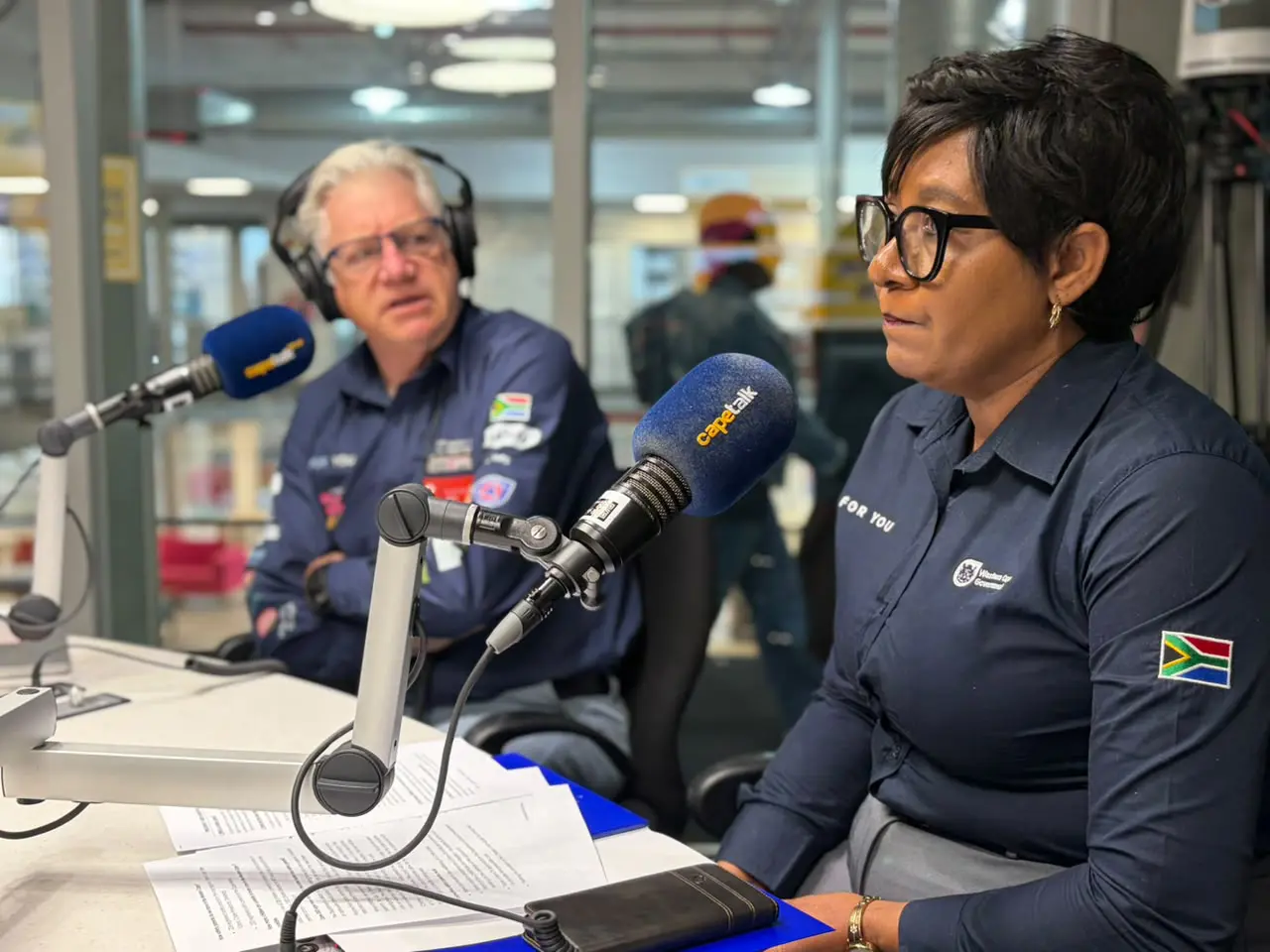
Winde and provincial Social Development MEC Wendy Kaizer-Philander appealed for more people to join the programme, highlighting the role volunteers play in providing immediate care to children who cannot safely remain at home.
Speaking on CapeTalk, Winde said social workers could be called to respond to abuse and other dangerous situations at any time of the day or night.
“When you get to an abusive environment, you have to be able to react,” he said. “And the most important thing is to be able to remove a child from that specific space.”
The challenge, he said, was ensuring that children had somewhere safe to go while investigations and legal proceedings took place.
RELATED: Western Cape’s Department of Social Development launches ‘safety parent’ programme
What happens when a child is removed from home?
The programme provides temporary emergency placements with volunteers who open their homes to children ranging from newborns to teenagers.
Kaizer-Philander said the province had 226 registered safety parents in rural areas and 233 in the metropolitan area. The department was continuing to recruit volunteers to expand that network.
She stressed that people could not simply volunteer without undergoing the necessary checks and training.
“You have to be a responsible 18-year-old or older because the child can’t be worse off than the child is at the moment,” she said.
The vetting process examines not only the prospective safety parent but also the circumstances of the household, including the people living there, to ensure the environment is suitable for a child.
Training also allows prospective volunteers to decide whether they are willing and able to take on the responsibility, Kaizer-Philander said.
The department provides care kits and daily stipends to help volunteers meet the costs of caring for children placed in their homes.
A wider network of care
Winde said the 624 children removed from their homes or parents in the first quarter illustrated the scale of the child protection challenge facing the province.
He said the Western Cape had nearly 1,000 social workers, alongside social workers funded through non-profit organisations (NPOs). He added that the province was funding 1,200 NPOs.
The province also had 43,000 children in foster care, Winde said, as well as 2,282 children in NPO-run child and youth care centres and 427 in centres run by the Department of Social Development.
He said protecting children required cooperation between government, social workers, non-profit organisations, police and the courts.
Winde also pointed to the trauma children could experience beyond their homes, including exposure to gun violence and bodies in their communities.
He said the province needed more volunteers in the Safety Parent Programme, more social workers and more NPOs to strengthen the support available to vulnerable children.
Kaizer-Philander said government could not meet the need alone, making partnerships with organisations and members of the public essential.
How to become a safety parent
Safety parenting is intended to provide immediate, short-term care while social workers investigate a child’s circumstances. It is not the same as foster care, which provides a longer-term placement after the relevant legal process.
Kaizer-Philander said a child would not automatically enter foster care after being placed with a safety parent.
The province is encouraging residents interested in volunteering to contact the Department of Social Development to find out more about the programme.
Residents can visit the Western Cape government’s website at westerncape.gov.za and search under the Social Development section, contact their local Department of Social Development office, or call the department’s hotline on 0800 220 250.
Kaizer-Philander also encouraged residents to report vulnerable situations so that authorities could intervene as quickly as possible. She highlighted the provincial government’s SWIMS app as another channel for reporting cases.
Never miss a major story. Get breaking news and the latest developments from South Africa and beyond as they happen.
Kabous Le Roux
www.ewn.co.za