
At the beginning of the 20th century, South Africa’s Eastern Cape province was home to the nation’s largest elephant population. In less than a generation, this population would be driven to the brink of extinction. Today, the surviving elephants play a key role in conservation programs to restore wildlife in the area. This comeback story is now helping shape a major rewilding project in South Africa.When elephants were perceived as a menaceA 2002 report by scientists from Nelson Mandela University says conflicts between elephants and agriculture in the Eastern Cape intensified between 1880 and 1920. The elephants were deemed threats to farmland, and the Cape Administration called for the destruction of the elephant population in the Addo region. According to the scientists, the Eastern Cape still had the biggest elephant population in all of South Africa at the beginning of 1900. However, their numbers soon started declining. An Eastern Province Herald article from 1919, cited in the same report, argued that the herd did not need to be saved. Conservation of wildlife was not considered as important as the economic aspect of the issue.There were just 11 elephants leftIt was quite a drastic fall. According to the Nelson Mandela University report, the Addo area had just 11 elephants in 1931. These were the last elephants in the local population that had once been predominant in the area.Their survival led to the formation of a wildlife park in the same year. In 1931, the South African government created Addo Elephant National Park to conserve the surviving 11 elephants. SANParks says the park was established specifically to protect those 11 elephants.
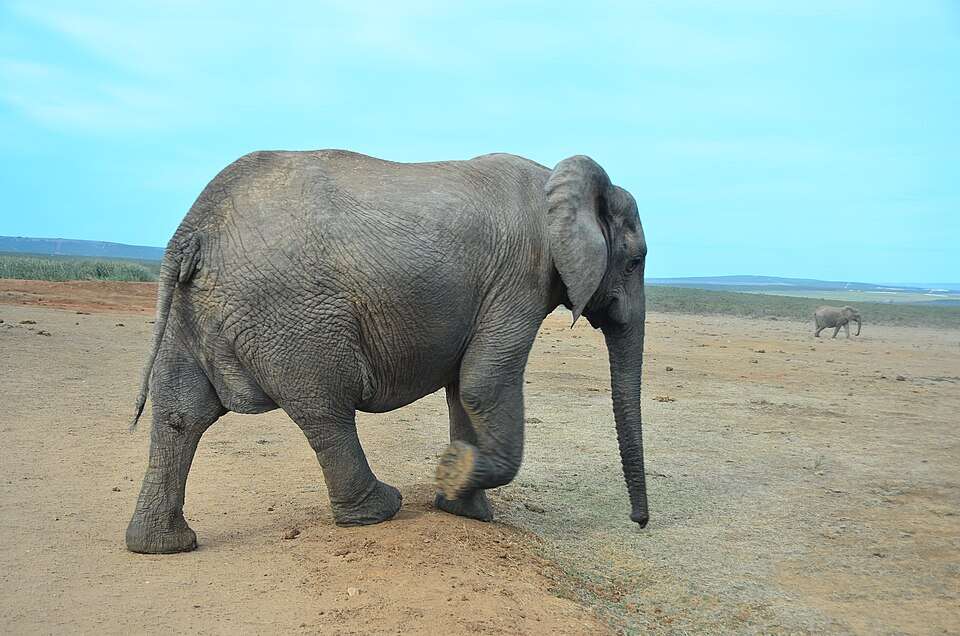
These elephants have since recovered, now numbering over four hundred across the province. As a keystone species, elephants are vital for maintaining ecological balance and vegetation. Their recovery now drives significant rewilding projects and supports local economies. Image Credit: Wikimedia Commons
A species that faced extinction and is now the subject of conservation successThe recovery took decades. This renewed interest in wildlife is reflected in the growth of elephant populations over the past decade, with more than 400 elephants across five populations in the Eastern Cape by the start of this year.According to the 2002 Nelson Mandela University (then University of Port Elizabeth) TERU Report No. 35, the rapid expansion of elephant populations in the Eastern Cape reflected a growing recognition of the importance of wildlife conservation and nature-based tourism in the province. SANParks has reported that Addo Elephant National Park is home to hundreds of elephants alongside lions, buffaloes, black rhinos, and many other species.Why elephants matter beyond their presenceIn addition to helping save elephants, efforts are being made to conserve their environments. Researchers from Nelson Mandela University say elephants are a keystone species because their feeding affects vegetation and ecosystem function. In this way, by knocking down trees and creating paths, they contribute to ecological balance.Scientists also warn that elephant populations need to be properly managed. According to the same study, too many elephants in enclosed areas can alter habitat and damage vegetation.Legacy that keeps on shaping the process of rewildingThe Addo elephants continue to shape conservation today. According to the Elephant Rewilding Reserve project, conservation groups are working to create an interconnected landscape in South Africa’s Eastern Cape where elephants can move freely through restored ecosystems. The goal is to improve elephant welfare, support biodiversity, and benefit local communities through conservation and sustainable tourism.More than a century ago, when people were trying to eradicate elephants in the Eastern Cape, the descendants of the surviving animals came to symbolize recovery. This history suggests that species once seen as obstacles to development can become central to restoring landscapes, biodiversity, and local economies.
TOI World Desk
timesofindia.indiatimes.com
