
At just 23 years old, Eastern Cape innovator Elihle Amahle Stali is proving that some of the world’s most impactful innovations begin with a simple promise.
As the founder and CEO of Spectacles4TheBlindSA, Stali has developed an artificial intelligence-powered smart glasses solution designed to help visually impaired individuals navigate their surroundings independently.
His groundbreaking innovation has already earned international recognition, securing a place among the world’s top innovators selected to compete at the prestigious LEAP global technology competition in Hong Kong this July.
But long before international opportunities and AI-powered technology, there was a young boy growing up in Zwelitsha with an insatiable curiosity and a dream to change lives.
A childhood defined by curiosity
Born and raised in Zwelitsha in the Eastern Cape, Stali describes himself as a child who was fascinated by science, technology and learning.
A twin brother to Kamva Stali, he spent much of his childhood balancing his love for soccer with countless hours at the local library.
“I was always curious and inquisitive. The library was heaven for me. I loved learning about science and discovering how things worked,” he told Drum.
Unlike many children his age, Stali constantly questioned the world around him, “I always asked why and how. Growing up in Zwelitsha, I believed there was more to life than your current circumstances. I wanted to discover what was possible.”
That desire to solve problems would later lead him to create an innovation with the potential to improve the lives of thousands.
A promise that changed everything
The inspiration behind Spectacles4TheBlindSA came from someone very close to his heart, his grandmother.
Growing up with a visually impaired grandmother gave Stali a front-row seat to the daily challenges faced by people living with blindness.
Read more| KZN graduate’s desperate job hunt goes viral after standing on Cape Town street with qualifications
As an 11-year-old boy, he often helped guide her through everyday activities, witnessing the patience and support required for tasks many people take for granted.
Seeing her struggle left a lasting impression.
“It became painful seeing someone who couldn’t walk, see or do things independently,” he recalled.
“I made a promise to my grandmother that one day I would invent something that would allow her to walk on her own, with freedom and independence,” he continued.
That promise became the foundation for what would eventually evolve into Spectacles4TheBlindSA.
Building technology that speaks South Africa’s languages
Unlike many assistive technologies that operate primarily in English, Stali wanted his innovation to reflect South Africa’s rich linguistic diversity.
The AI-powered glasses can communicate in multiple South African languages, including isiXhosa, isiZulu, Sesotho, Afrikaans and English.
When users put on the glasses, they are greeted by an AI assistant that asks for their name, destination and preferred language.
Using artificial intelligence, sensors, GPS technology and object detection systems, the glasses then guide users step-by-step through their surroundings.
The technology alerts users to obstacles, terrain changes, and directions, creating a hands-free navigation experience.
“We wanted users to feel like they are talking to a trusted companion. People are more comfortable when technology speaks their language,” Stali said.
He believes accessibility should not be limited to physical access but also include cultural and linguistic inclusion.
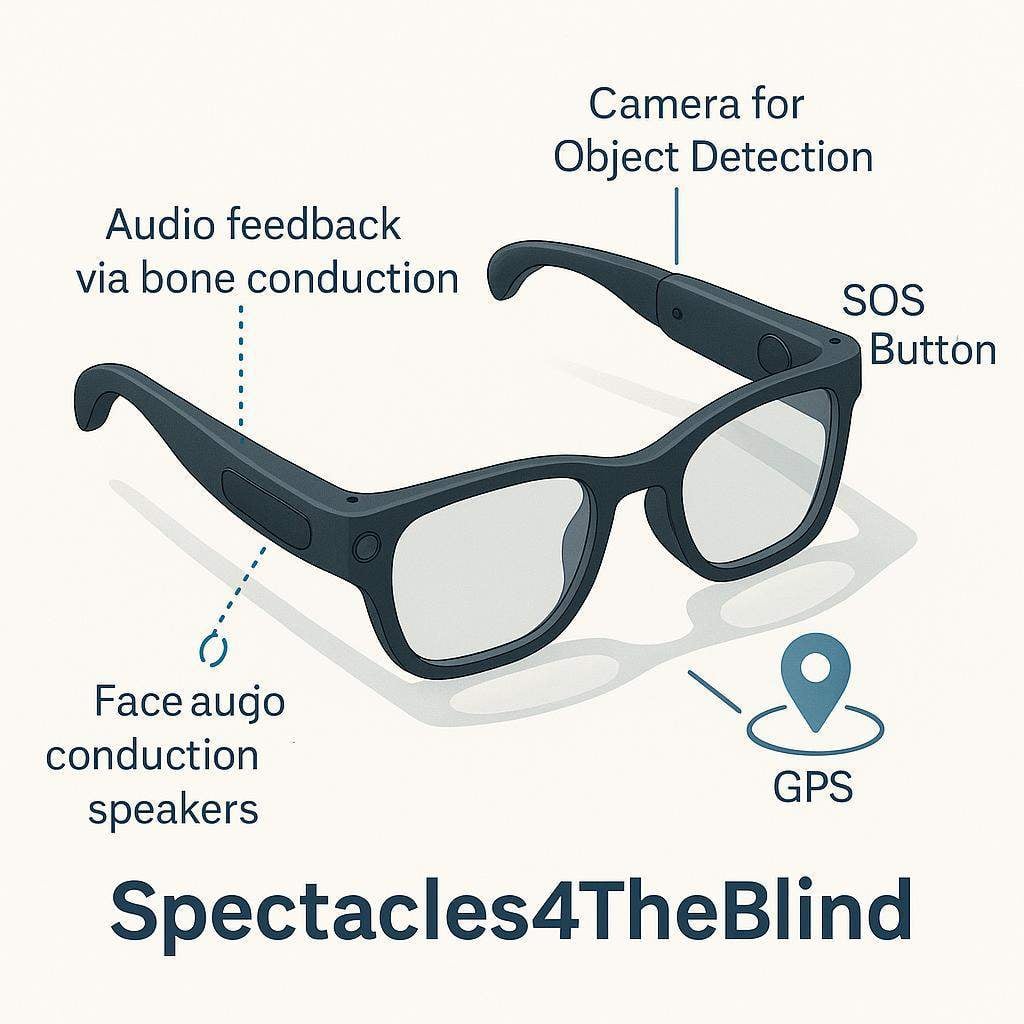
As the founder and CEO of Spectacles4TheBlindSA, Stali has developed an artificial intelligence-powered smart glasses solution designed to help visually impaired individuals navigate their surroundings independently.
Overcoming challenges without funding
While the vision behind the innovation was powerful, turning it into reality was far from easy.
Stali says funding remains one of the biggest challenges facing young innovators in South Africa.
Despite approaching various grant programmes and government support initiatives, he received little assistance during the early stages of development.
Together with his team, he relied heavily on personal resources to fund software development, prototype designs, manufacturing concepts and intellectual property protection.
“Building the prototype was incredibly difficult. Everything from the sensors and hardware components to patent protection required funding,” Stali explained.
Yet despite these obstacles, the team persevered, developing a working prototype that could be tested with visually impaired communities and organisations.
The feedback they received helped refine the product and reinforced their belief that the innovation could make a meaningful difference.
Taking South African innovation to Hong Kong
One of the biggest milestones in Stali’s journey came when Spectacles4TheBlindSA was selected to participate in the LEAP global technology competition in Hong Kong.
The news came as a complete surprise.
“I was shocked, excited and scared at the same time,” he said.
Coming from Ngxamkwana village near Mdantsane, Stali says international opportunities often feel out of reach for many young people facing unemployment and economic challenges.
To be shortlisted among the world’s leading innovators in the AI and deep-tech category was both humbling and inspiring.
For him, the competition represents more than just recognition.
It offers opportunities to connect with investors, manufacturers and technology leaders who could help scale the innovation globally.
“The opportunities are endless. This is a chance to find partners who can help us improve the software and hardware while making the glasses accessible to more people around the world,” he shared.
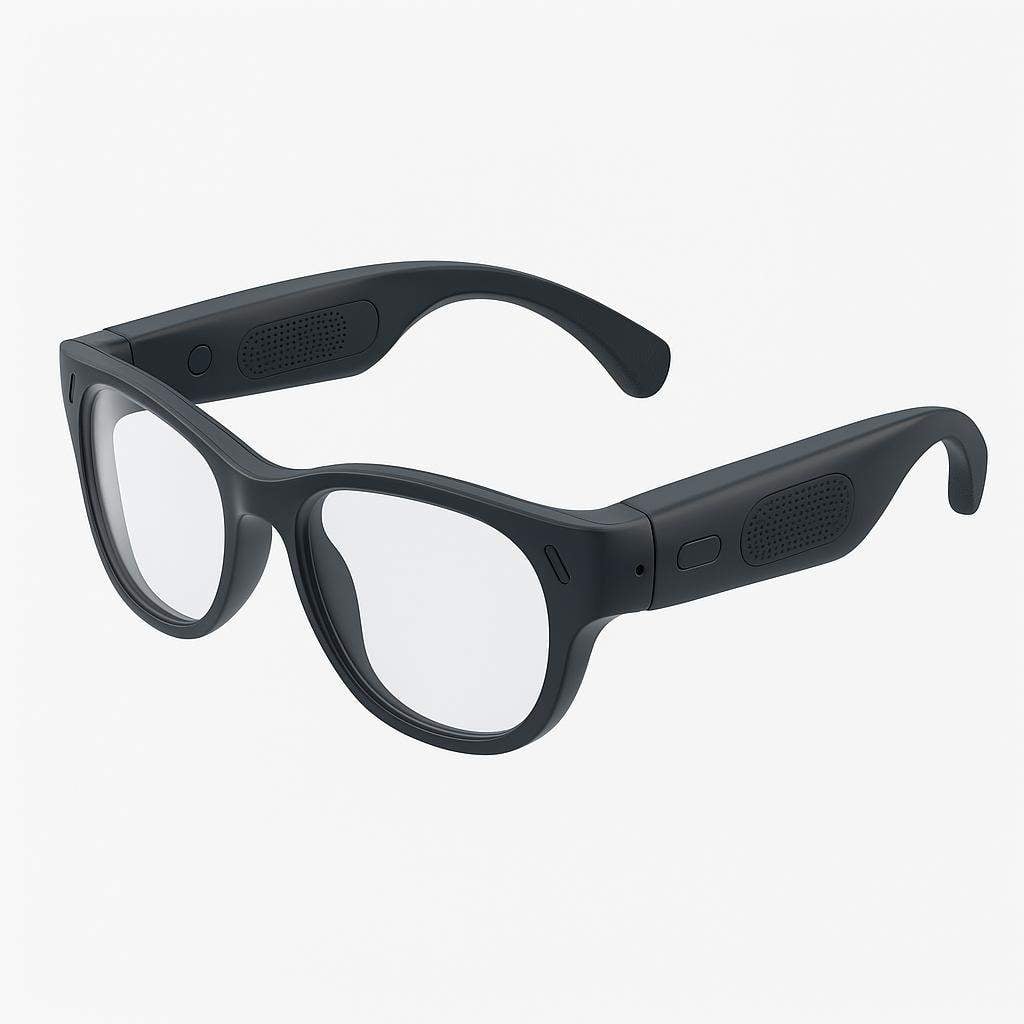
As the founder and CEO of Spectacles4TheBlindSA, Stali has developed an artificial intelligence-powered smart glasses solution designed to help visually impaired individuals navigate their surroundings independently.
Using AI for good
As conversations about artificial intelligence continue to raise concerns around ethics and safety, Stali believes technology should always serve humanity.
He says his team spends significant time testing and improving the product to ensure user safety and reliability.
“We want to build AI that restores dignity, independence and hope,” he explained.
For Stali, using AI for good means creating solutions that address real-world challenges and empower communities that are often overlooked by mainstream innovation.
He believes visually impaired individuals deserve the same opportunities for independence and mobility as anyone else.
A vision beyond blindness
While the current focus remains on assisting visually impaired users, Stali sees even greater possibilities for the technology in the future.
He envisions future versions of the glasses serving as AI companions capable of recognising people, making calls, providing information and supporting everyday activities for a wider audience.
His long-term ambition is to establish Spectacles4TheBlindSA as a leading African technology company while creating opportunities for young innovators.
“We want young black boys and girls to see themselves in technology. Growing up, I didn’t have many black role models in this space,” he shared.
Beyond developing groundbreaking products, he hopes to build a company that creates jobs, inspires innovation and demonstrates that world-class technology can emerge from South Africa’s townships and rural communities.
Chuma Nontsele
www.news24.com
