
In Limpopo, communities that were ravaged by the recent floods now face another problem. Residents tell Health-e News there’s a noticeable increase in mosquitoes, and they’re worried about getting sick.
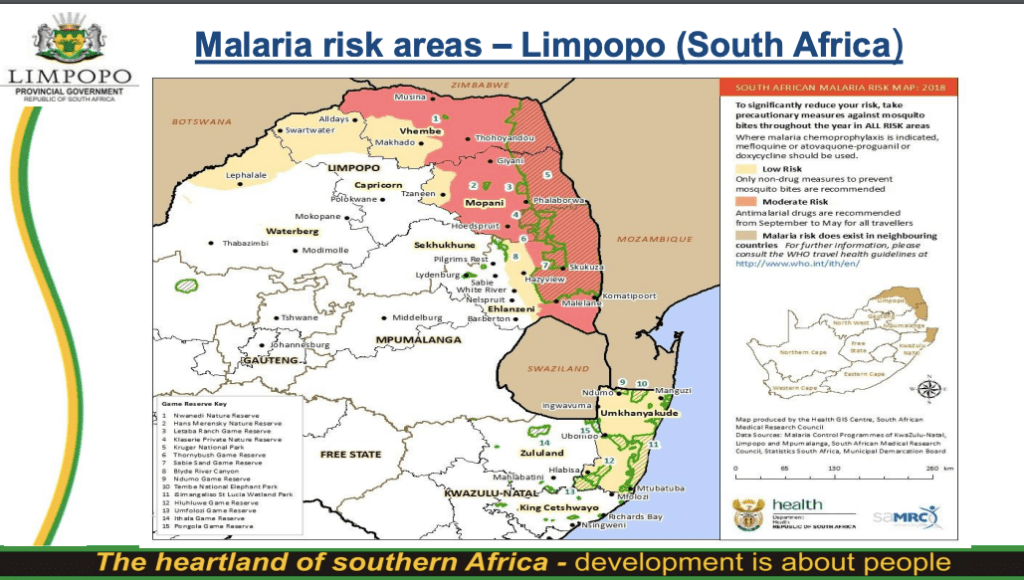
The malaria-endemic region is a breeding ground for mosquitoes during the hot, rainy season from September to May.
But this year, the buzz is relentless.
“It’s the worst it’s been in the past 30 years, since I was born,” says Muxe Ngobeni, a 34-year-old resident of Khakhala.
Earlier this month the Limpopo Department of Health issued a warning of a rise in malaria cases, while experts warned of a significant increase of breeding sites for malaria-carrying mosquitoes, ‘placing millions of people at increased risk and raising concern about a potential surge in malaria cases in the coming months’. At least four people have died of malaria in Limpopo this year.
In a statement, the Limpopo Department of Health said it’s ‘intensifying its preventative efforts’, but locals who spoke to Health-e News say they’re forced to come up with their own preventative measures.
Desperate to prevent malaria-causing bites, residents buy mosquito repellent, burn empty egg boxes, and burn mosquito coils.
Subscribe to our newsletter
“We use a fan, and we pour engine oil inside the pit toilet because it makes it difficult for mosquitoes to breed or lay eggs,” Ngobeni says.
“There’s a big problem with mosquitoes in my area. To keep them away, I’m using mosquito coils and some traditional methods like burning dried herbs. We also burn toilet paper, cardboard, egg trays or coffee,” says Leonard Nkuna from Siyandhani village.
While informal methods may help in the short term, they are not scientifically proven mosquito repellents. They may also cause unintended harm by releasing toxic smoke, warns Dr Taneshka Kruger, Director of the University of Pretoria Institute for Sustainable Malaria Control.
In Extension 71 outside Polokwane, Sibusiso Khosa says, “We are afraid that we may contract malaria. We are being bitten by mosquitoes all day. We are now forced to close our doors and windows so that mosquitoes don’t enter our homes.”
Khosa says the mosquito coils he bought are no longer sufficient.
In Ga-Sekgopo Village outside Modjadjiskloof, James Maimela says the situation has become unbearable. “We are struggling to sleep despite trying home remedies and mosquito repellents. We feel helpless because the mosquitoes are everywhere, and we are worried about our children and elderly people.”
Indoor Residual Spraying campaign
The annual Indoor Residual Spraying (IRS) campaign, spraying the inner walls of houses with insecticides, is a key malaria prevention strategy, targeting 1.1 million households.
In a statement released earlier this month, Limpopo health spokesperson, Neil Shikwambana, said it was behind schedule at 48% because of the disruptive rains. But Shikwambana tells Health-e News that the campaign has since reached the 70% threshold. The programme will continue until March 2026.
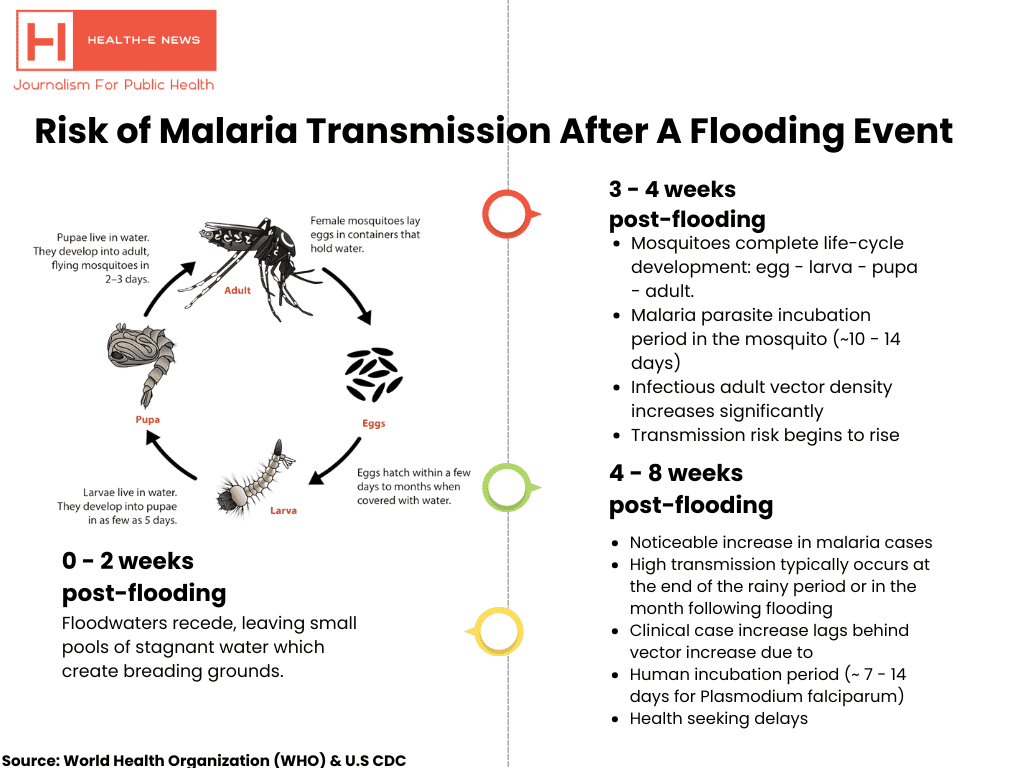
“This is good because cases are going to start escalating. Transmission may still be high 4-8 weeks after the rain subsides,” says Kruger. “Because of conditions being favourable after the floods, it extends the malaria transmission period beyond the normal high transmission period.”
Currently, two malaria vaccines approved by the World Health Organisation are being rolled out in high-burden countries where transmission is high. But these are not part of the national immunisation schedule because South Africa is a moderate-transmission country.
As a malaria-endemic country, South Africa recorded 3,900 cases in 2025 and 31 deaths. In Limpopo since 1 April 2025, 838 people contracted malaria, and 4 people died from the disease.
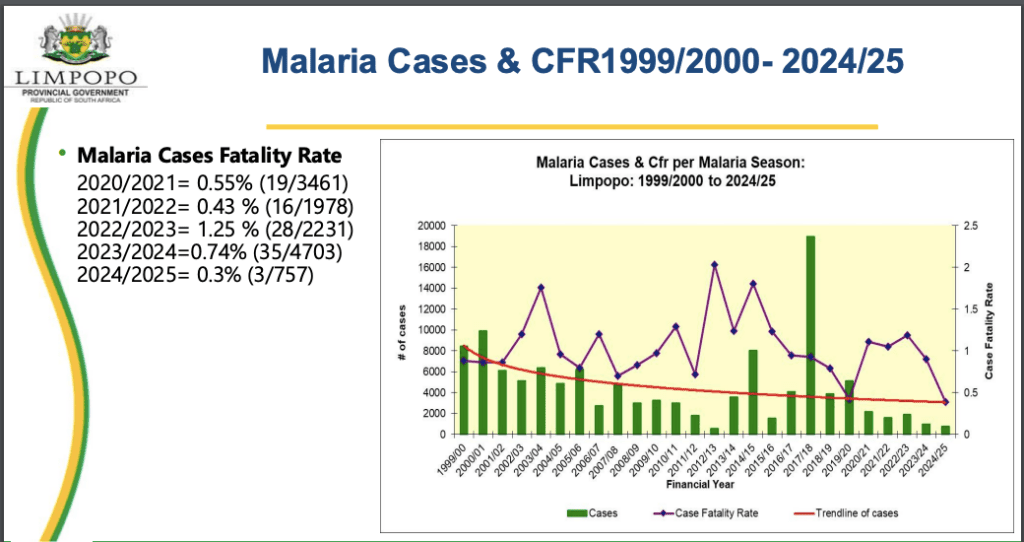
Numbers had so far remained below outbreak thresholds, fluctuating between 17 and 36 (since the heavy rains stopped), but officials say the situation could change as floodwaters begin to recede.
Health officials are also keeping a close eye on Mpumalanga, “particularly Bushbuckridge and Nkomazi districts, which are under close monitoring due to their endemic malaria transmission and similar ecological conditions to affected areas in Limpopo,” national health spokesperson Foster Mohale tells Health-e News.
Dr Ashley Burkey, an entomologist from the University of Pretoria, who studies insects and their relationships with humans and the environment, explains that the risk of malaria transmission usually lags by 4 to 8 weeks after a flooding event.
How to protect against malaria
Sister Nkwane, a nurse at Makushane Clinic outside Phalaborwa, advises residents to fill up water holes where rainwater remains stagnant with soil.
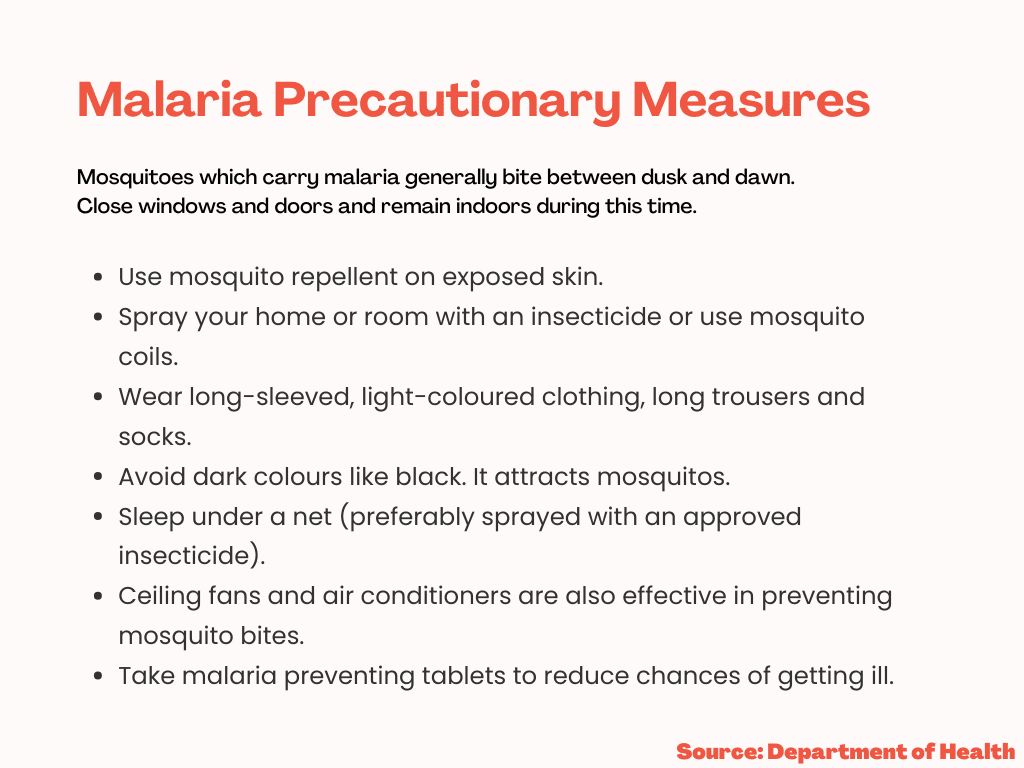
“Wear long-sleeved clothes when outside, especially at night. Don’t wear black clothes as they attract mosquitoes. Close windows and doors in the evening and destroy or dispose of opened canned tins as they also attract mosquitoes,” she says in a message recorded by the Limpopo health department.
“People must be aware of malaria symptoms and consult the nearest health facility when they notice them,” she says.
Symptoms of malaria include fever, headache, nausea, diarrhoea and flu-like symptoms. Although the disease is preventable and treatable, delayed care can lead to severe illness and death. – Health-e News


@HealtheNews
health-e.org.za
